NAD+ supplements have become one of the biggest trends in wellness and longevity. They are often marketed as a way to boost energy, sharpen focus, support cellular repair, and slow aging. In Ireland, public-facing NAD+ marketing commonly uses language around anti-ageing, energy, mental clarity, skin repair, fatigue, sleep, and even “fountain of youth” style positioning. That tells us a lot about what people expect from these products before they ever look at the evidence.
The problem is that the physiology of NAD is real, but the marketing often goes much further than the human evidence. NAD is a crucial molecule in the body, but that does not automatically mean taking a supplement will reproduce all the benefits suggested online. Cleveland Clinic notes that NAD+ supplements are promoted for energy and longevity, but there is still not enough research to confirm these benefits in the way many brands imply.
What is NAD+?
NAD stands for nicotinamide adenine dinucleotide. It is a molecule found in every cell in the body, and one of its most important jobs is helping cells turn food into usable energy. NAD exists in two main forms, NAD+ and NADH, which shuttle electrons back and forth so cells can produce energy efficiently. Cleveland Clinic describes this as one of the core systems that keeps energy flowing inside cells.
NAD is not just about energy. It is also involved in DNA repair, metabolism, cell protection under stress, and the normal function of tissues such as muscles, brain cells, heart cells, and bones. Cleveland Clinic also notes that NAD levels naturally decline with age, and lower NAD availability has been linked to age-related changes such as fatigue, muscle weakness, slower thinking, metabolic disorders, and some cardiovascular issues.
From a nutrient perspective, the body makes NAD from precursors that include forms of vitamin B3 and the amino acid tryptophan. The NIH Office of Dietary Supplements notes that niacin is the generic name for nicotinic acid, nicotinamide, and related derivatives such as nicotinamide riboside, which is one of the best-known NAD precursor compounds used in supplements.
What is an NAD supplement, really?
This is where a lot of confusion begins.
What many people call an “NAD supplement” is not always direct NAD+ in a meaningful physiological sense. Cleveland Clinic explains that NAD is difficult for the body to absorb in supplement form, so most products marketed as NAD supplements actually contain NAD precursors such as forms of niacin, nicotinamide riboside (NR), or nicotinamide mononucleotide (NMN). These are compounds the body can use to make NAD on its own.
That distinction matters because the evidence base is much stronger for NAD precursors than for flashy marketing around oral NAD+ itself. Human trials have shown that oral NR and NMN can raise blood NAD levels and are generally well tolerated in the short term, but that does not mean all branded “NAD+” products deliver the same result, especially combination products with multiple added ingredients.
Why are people in Ireland searching for NAD+ supplements?
In Ireland, NAD+ is commonly sold and discussed as a supplement for anti-ageing, more energy, mental clarity, brain fog, skin repair, sleep, and cell regeneration. Irish marketing pages also position it around metabolism, fatigue, mood, and even addiction recovery in the case of some NAD+ drip services. Irish media coverage has described NAD as gaining a reputation as a fountain of youth, while commercial Irish pages present benefits like boosting energy, improving mental clarity, and anti-ageing from the inside out.
So if you want to understand the language people are responding to, it is usually not “redox coenzyme” or “cellular nicotinamide metabolism.” It is much more likely to be:
- more energy
- less fatigue
- better focus
- anti-ageing
- brain fog support
- better sleep
- cell repair
- skin health
That is the emotional and commercial framing people are exposed to in the Irish market.
Myth 1: NAD+ supplements are a proven anti-aging solution
This is the biggest myth.
There is a real scientific reason people are interested in NAD and aging: NAD levels decline with age, and NAD is involved in energy production and cellular repair. But that is not the same thing as proving that taking a supplement will slow or reverse aging in humans. Cleveland Clinic is very clear that the current interest in these supplements comes largely from their potential anti-aging and longevity benefit, but also states that research is still developing and that the long-term benefits and risks remain unclear.
So yes, NAD matters biologically. No, we do not have solid evidence that an NAD supplement is a proven anti-aging intervention in humans.
Myth 2: NAD+ supplements will definitely boost your energy
This one is more subtle.
Because NAD is essential for turning food into energy, it is logical that people assume supplementation will make them feel more energetic. But physiology does not always translate into noticeable real-world outcomes. Cleveland Clinic says NAD+ supplements may help restore energy and cell repair as you age, but more studies are needed. It also says evidence for many of the hoped-for benefits is still limited or inconclusive.
So the myth is not that NAD is involved in energy. That part is true. The myth is that taking a supplement automatically means you will feel a clear energy boost. The current evidence does not support that promise for everyone.
Myth 3: All NAD supplements are basically the same
They are not.
Some products contain direct NAD+, some contain NR, some contain NMN, and others use combinations with herbs, antioxidants, or compounds like glutathione or resveratrol. Cleveland Clinic notes that many products combine NAD precursors with other nutrients and herbs, and that both effects and side effects depend on the particular precursor and the added ingredients.
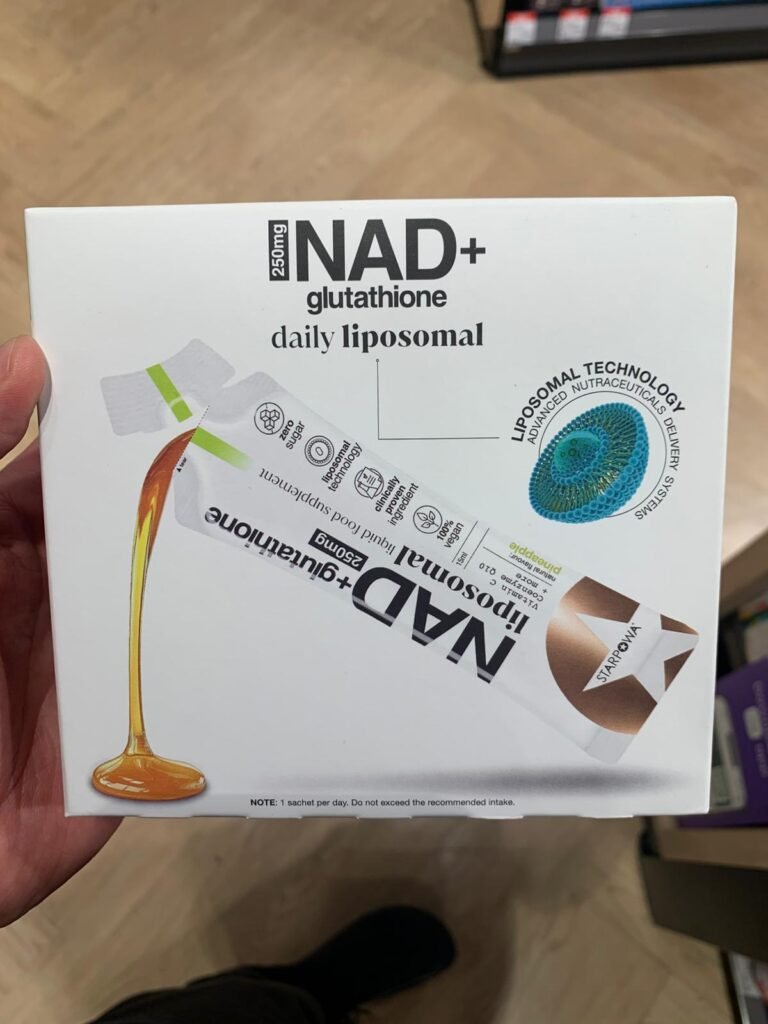
That means a liposomal NAD+ sachet, an NR capsule, and an NMN powder should not be treated as interchangeable. It also means you should be careful with blanket claims like “NAD works” or “NAD does not work,” because product type matters.
Myth 4: NAD+ supplements are proven for focus, metabolism, and brain fog
These are major areas of interest, but they are still areas of interest, not settled conclusions.
Cleveland Clinic notes that researchers are studying whether NAD supplements may play a role in cardiovascular health, neurologic conditions, and metabolic health, but also stresses that evidence is still limited or inconclusive. That is an important distinction, because a lot of marketing turns early-stage interest into confident-sounding benefit claims.
This is especially relevant in Ireland, where commercial language often promises mental clarity, brain fog support, better metabolism, and improved mood. Those expectations exist in the market, but they should not be confused with strong clinical proof.
Myth 5: Because NAD is natural, supplements must be harmless
Also false.
Cleveland Clinic says NAD supplements are generally considered safe for most people, but side effects can still happen, especially at higher doses. Reported side effects include nausea or stomach discomfort, headaches, lightheadedness, diarrhea, muscle cramps, and skin irritation. It also warns that supplements containing niacin can cause flushing and, at high doses, liver toxicity.
Cleveland Clinic also advises caution if you have cancer or a history of cancer, advanced liver disease, if you are pregnant or breastfeeding, or if you are considering long-term high-dose use, because long-term safety data are still lacking for most NAD supplements.
What are the real benefits of NAD+ supplements?
The most honest answer is this: the strongest evidence today is not that NAD supplements are miracle anti-aging tools, but that NAD precursors can raise blood NAD levels in humans, and they appear to be generally well tolerated in the short term.
A randomized clinical trial published in Nature Communications found that chronic supplementation with the NAD precursor nicotinamide riboside was well tolerated and effectively stimulated NAD metabolism in healthy middle-aged and older adults. Human NMN data have also shown increases in blood NAD concentrations with short-term oral use, with generally good tolerability in the studied groups.
That does not mean there are no possible downstream benefits. It means the clearest, most reproducible effect so far is usually biomarker change, especially raising NAD-related metabolites. Clinical outcomes such as anti-aging, energy, cognition, weight, endurance, or disease prevention remain much less firmly established. Cleveland Clinic explicitly frames these other areas as still under study.
So the real, evidence-based benefits are best described like this:
- NAD is a critical molecule for cellular energy and repair
- NAD precursors such as NR and NMN can increase blood NAD levels
- short-term use appears generally well tolerated in the doses studied
- there is ongoing research in aging, metabolic, cardiovascular, and neurologic areas
But most of the exciting real-world claims still need much better human evidence.
What should you realistically expect?
If you take an NAD+ supplement, the most realistic expectation is possible subtle support, not a dramatic transformation.
You should think in terms of:
- maybe supporting NAD metabolism
- maybe nudging energy-related biology in a useful direction
- maybe not feeling much at all
- needing more than a supplement if your real issues are sleep debt, overtraining, poor diet, chronic stress, alcohol excess, or unrealistic expectations
Cleveland Clinic’s broader advice on supporting healthy NAD levels is actually very grounded: regular physical activity, stress management, limiting alcohol, good sleep, and nutrient-rich food remain important ways to support balanced NAD biology. That is a helpful reminder that supplementation is not the whole story.
So no, you should not expect a “fountain of youth.”
And no, you should not expect every NAD+ product to fix fatigue, brain fog, sleep, metabolism, or aging by itself.
Frequently Asked Questions
What is NAD+?
NAD+ is one of the two main forms of nicotinamide adenine dinucleotide, a molecule found in every cell that helps transfer electrons so the body can turn food into usable energy. It also supports DNA repair, metabolism, and cell protection under stress.
What do NAD+ supplements actually contain?
Many products sold as NAD or NAD+ supplements do not rely on direct NAD+ alone. Cleveland Clinic says these products typically contain NAD precursors such as niacin forms, nicotinamide riboside, or nicotinamide mononucleotide because NAD itself is difficult to absorb in supplement form.
Do NAD+ supplements really work?
They can raise blood NAD levels, especially when they use precursors like NR or NMN. But raising blood NAD is not the same thing as proving broad benefits like anti-aging, better focus, or more energy in everyday life.
Are NAD+ supplements proven to slow aging?
No. They are heavily marketed for anti-aging and longevity, but Cleveland Clinic says there is still not enough research to confirm those benefits.
Can NAD+ supplements improve energy?
Possibly, but the evidence is not strong enough to promise a noticeable energy boost for everyone. The biology makes the idea plausible, but the human evidence is still limited.
What side effects can NAD+ supplements cause?
Possible side effects include nausea, stomach discomfort, headaches, lightheadedness, diarrhea, muscle cramps, and skin irritation. Products containing niacin may also cause flushing and, at high doses, liver toxicity.
Who should be cautious with NAD+ supplements?
Cleveland Clinic recommends extra caution for people with cancer or a history of cancer, advanced liver disease, those who are pregnant or breastfeeding, and anyone considering long-term high-dose use.
Why do people in Ireland buy NAD+ supplements?
Irish marketing commonly frames them around anti-ageing, energy, mental clarity, skin repair, fatigue, sleep, and cellular regeneration. Those are the expectations the market tends to build, even though the evidence is not equally strong for all of them.
Is a product with NAD+ and glutathione the same as an NAD supplement?
Not exactly. Combination products add extra variables, so any effect cannot automatically be attributed to NAD alone. Cleveland Clinic notes that many NAD supplements combine precursors with other ingredients, and their effects depend on both the precursor used and the added compounds.
What should I realistically expect from an NAD+ supplement?
The most realistic expectation is modest or even unnoticeable short-term change, not a dramatic anti-aging or energy transformation. These products are best seen as a developing area of supplementation, not a proven shortcut.
Final takeaway
NAD is a real and important molecule. It helps your body turn food into energy, supports DNA repair, and plays a role in cellular stress responses and healthy tissue function. That part is not hype.
The hype begins when people jump from “NAD matters” to “this supplement will clearly improve my energy, focus, aging, and longevity.” At the moment, the best-supported claims are much narrower: NAD precursor supplements such as NR and NMN can raise blood NAD levels and appear generally well tolerated in the short term, but many of the benefits people hope for remain unproven, limited, or still under investigation.
The smartest way to think about NAD+ supplements is as biologically interesting but clinically still developing. That is much less exciting than marketing promises, but it is much closer to the truth.